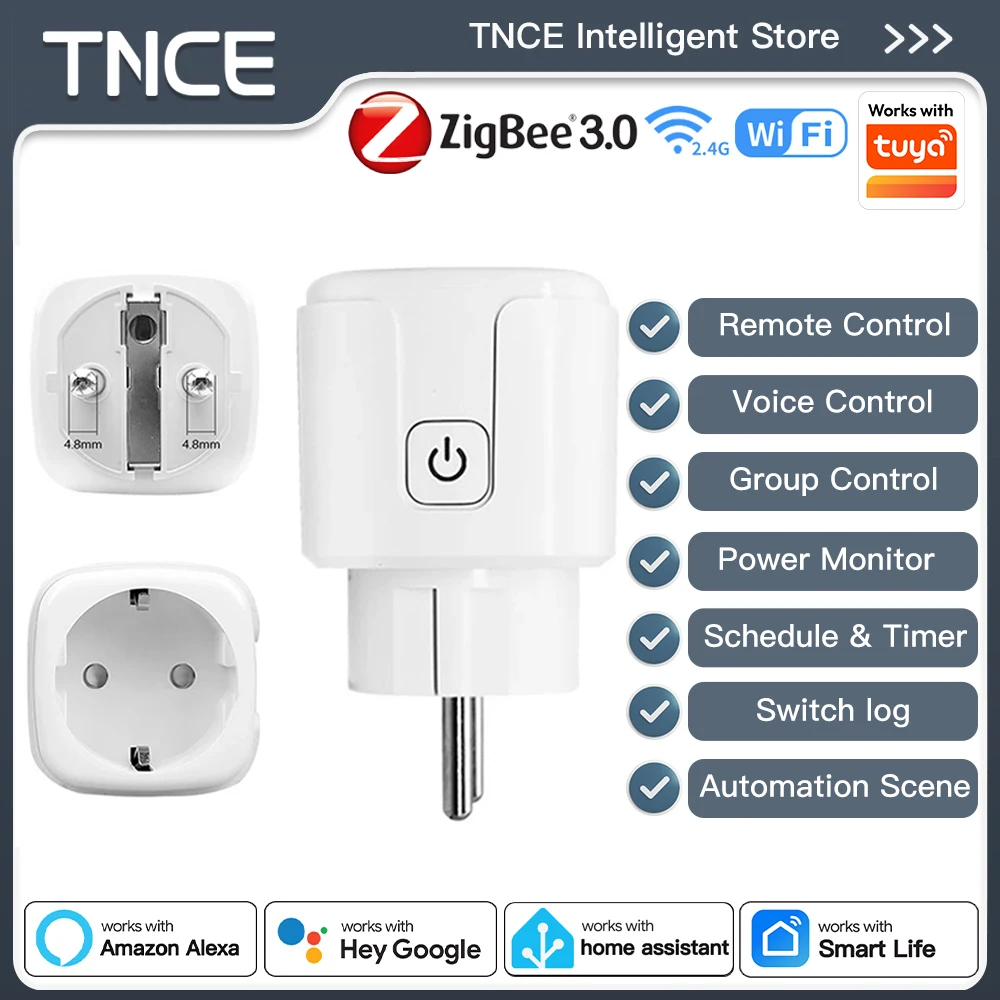
TNCE Tuya Smart Socket with WiFi or Zigbee 3.0 and Power Monitor
This TNCE Tuya smart socket offers a choice between WiFi or Zigbee 3.0 connectivity and includes power monitoring for EU outlets.
$5.74 $11.49
- Units sold
- 18,935
- Buyer rating
- 98%
- Seller
- Stone's Store
This page is based on the listing information and seller record, not hands-on testing or an independent quality assessment — see how we pick. Delivery time and shipping cost vary by seller.
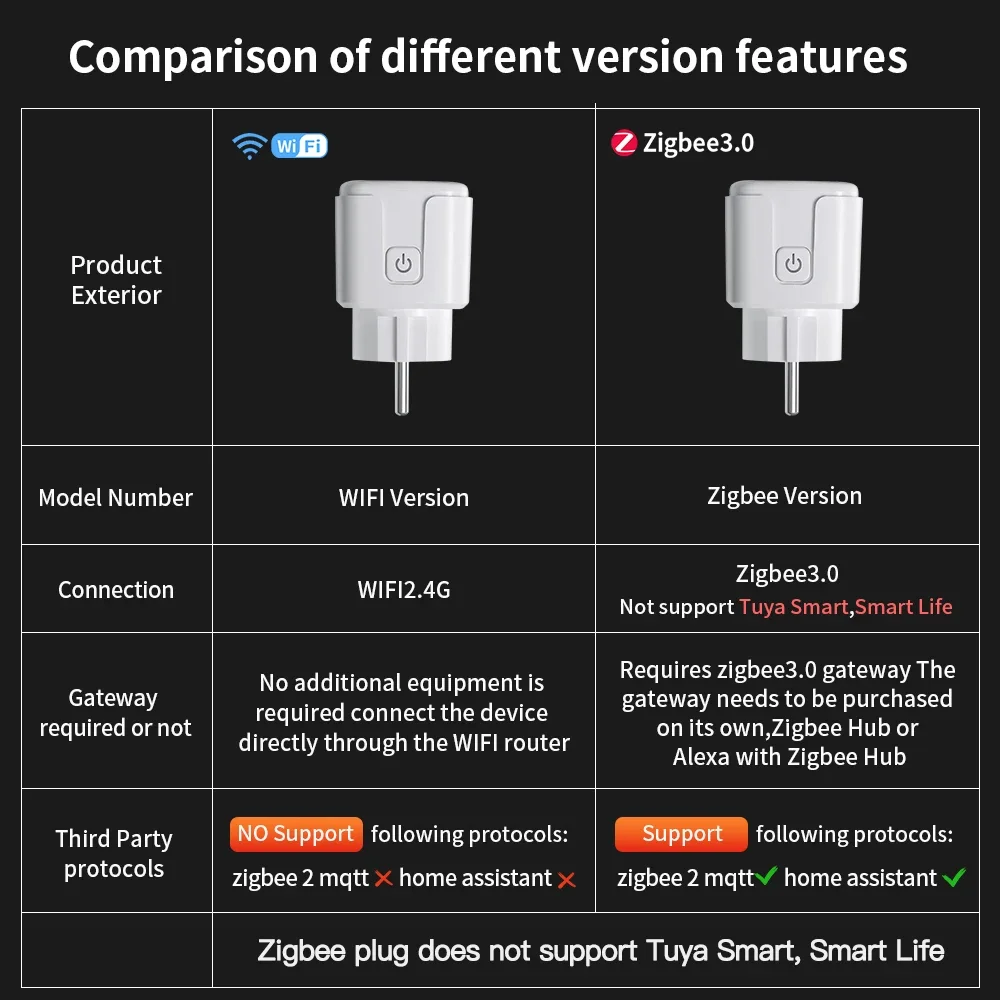
The TNCE smart socket is offered in two versions: one with WiFi connectivity and another with Zigbee 3.0. Buyers select the appropriate version based on their existing smart home system. The listing also specifies a current rating of either 16A or 20A, which may vary by model or region.
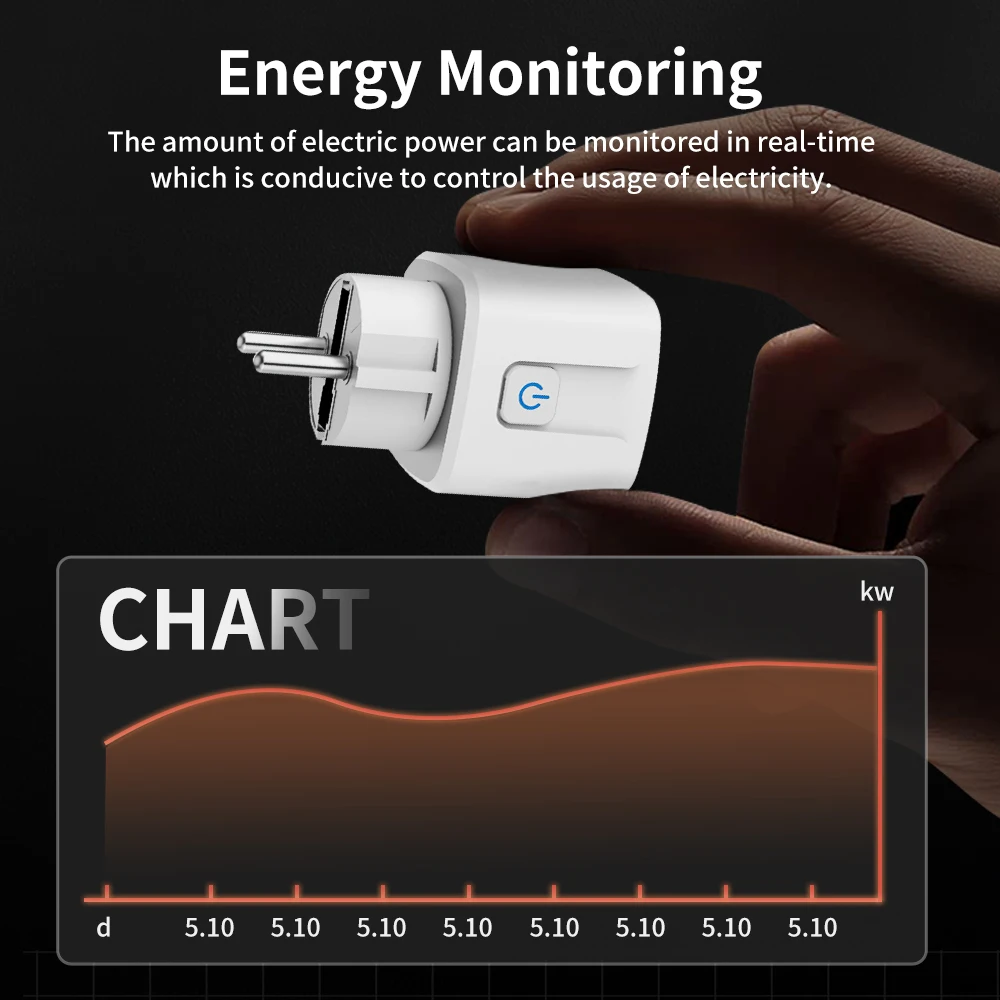
Smart Control and Monitoring
The smart socket is described as integrating into a family intelligence system. It supports remote control via either WiFi or Zigbee 3.0, depending on the chosen model. A key feature mentioned is power monitoring, which allows users to track the energy consumption of connected devices.
Product Specifications
| Connectivity Options | WiFi or Zigbee 3.0 |
|---|---|
| Plug Type | EU |
| Current Rating | 16A or 20A (as specified by manufacturer) |
| Feature | Power Monitoring |
| Product Category | Family Intelligence System |
| Current price | $5.74 |
|---|---|
| Previous price | $11.49 |
| Listed reduction | 50% |
| Units sold | 18,935 |
| Buyer rating | 98% positive |
| Seller | Stone's Store |
| Listing images | 6 |
Before You Order
- What is the difference between the WiFi and Zigbee 3.0 versions?
- The WiFi version connects directly to your home WiFi network, while the Zigbee 3.0 version requires a compatible Zigbee hub to function within a smart home system.
- Does this smart socket include power monitoring?
- Yes, the listing states that the TNCE Tuya smart socket includes a power monitoring feature.
- What current rating should I choose?
- The listing offers models with either a 16A or 20A current rating. Buyers should select the rating that matches the power requirements of the appliances they intend to connect and their local electrical standards.